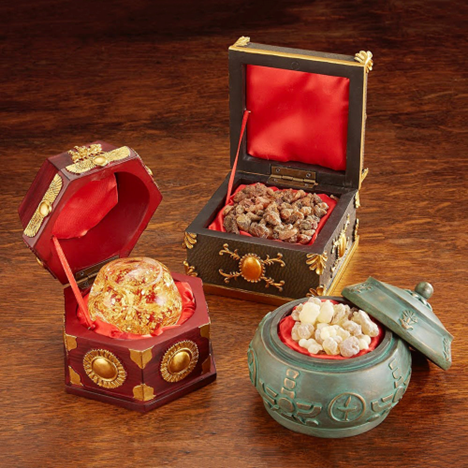
The image is iconic: three weary travelers arrive in Bethlehem bearing gifts of gold, frankincense, and myrrh. According to the Gospel of Matthew, the Magi presented these offerings to honor the infant Jesus (Matthew 2:11). Far from random, these gifts reflected a long-standing ancient tradition. Kings and gods were commonly offered gold, incense, and sacred oils—an act of reverence, loyalty, and prophecy.
Historical records show that Seleucus II presented the same trio of gifts to Apollo in 243 BCE. Within Jewish and early Christian interpretation, gold symbolized kingship, frankincense priesthood and worship, and myrrh mortality and burial—imagery later echoed in the carol We Three Kings.
Beyond symbolism, frankincense and myrrh were among the most valuable commodities of the ancient world, traded across Arabia, Africa, and the Mediterranean for religious rituals, medicine, and perfume. Today, they are re-emerging in modern wellness practices—especially as teas, aromatics, and supplements.
What are frankincense and myrrh?

Frankincense (Boswellia species)
Frankincense is a hardened aromatic resin obtained from trees of the Boswellia genus, primarily Boswellia serrata, B. carterii, and B. sacra. Harvesters make careful incisions in the bark, allowing sap to harden into “tears” that are collected weeks later.
Used continuously for over 6,000 years, frankincense has played a role in temple incense, perfumes, traditional medicine, and modern essential oils. Its characteristic sweet-woody aroma comes from compounds called boswellic acids, which are the focus of contemporary anti-inflammatory research.

Myrrh (Commiphora species)
Myrrh comes from the resin of Commiphora myrrha and related species. The Arabic word murr means “bitter,” reflecting both its taste and medicinal strength. When harvested, the tree exudes a reddish-brown resin with a smoky, medicinal scent.
Historically, myrrh was used for embalming, wound care, perfumes, and oral health. Ancient Egyptians used it for hay fever and skin conditions, while Greek soldiers carried it as a battlefield antiseptic. Its bioactive compounds are primarily sesquiterpenes, which give myrrh antimicrobial and astringent properties.
Biblical Uses and Spiritual Symbolism

In the Hebrew Bible, frankincense was central to worship. It was blended into sacred incense (Exodus 30:34–38) and offered with grain sacrifices (Leviticus 2:1–2). The prophet Book of Isaiah foretold a time when nations would bring gold and frankincense to Jerusalem.
Myrrh appears in Song of Solomon as a symbol of love and beauty, and in the Gospel of John as a burial spice for Jesus. Together, these resins carried layered meanings of worship, sacrifice, and mortality—deeply resonant to ancient audiences.
Today, many churches continue this tradition by burning frankincense and myrrh during liturgy, linking modern worship to ancient ritual through scent.
Frankincense and Myrrh in Ancient Medicine and Trade
Frankincense and myrrh were pillars of the Incense Route, a vast trade network connecting Arabia, East Africa, India, and the Mediterranean. Medical texts from Greece, Egypt, China, and India describe their use for:
- Inflammation and pain
- Digestive and respiratory complaints
- Wound care and infections
In traditional Chinese medicine and Ayurveda, the resins were often combined to “move blood,” reduce swelling, and relieve pain. A 2019 review in Molecules confirmed that frankincense and myrrh have long been used together and may act synergistically, enhancing anti-inflammatory and anticancer effects in laboratory models.
What modern research says
Frankincense (Boswellia)
A review published in the BMJ analyzed randomized trials of Boswellia serrata for osteoarthritis, asthma, rheumatoid arthritis, and inflammatory bowel disease. Results were mixed but promising: some studies showed reduced pain, swelling, and stiffness. However, sample sizes were small and methodologies inconsistent.
Boswellic acids inhibit 5-lipoxygenase, an enzyme involved in inflammation. While lab and early clinical results are encouraging, evidence remains suggestive—not definitive.
Frankincense is also widely used in aromatherapy. According to the Cleveland Clinic, aromatherapy may modestly reduce stress, anxiety, and sleep disturbances by influencing the limbic system via scent.
Myrrh (Commiphora)
Human clinical data on myrrh (Commiphora species) remain limited, but a growing body of laboratory, animal, and applied-use evidence helps clarify why myrrh has been valued medicinally for millennia.
Multiple in-vitro (cell culture) studies demonstrate that myrrh possesses anti-inflammatory, antibacterial, antifungal, and antiproliferative properties. These effects are largely attributed to its rich content of sesquiterpenes and furanosesquiterpenoids, which interfere with inflammatory signaling pathways and microbial growth. In laboratory models, myrrh extracts have inhibited the proliferation of several cancer cell lines, suggesting potential anticancer activity under controlled conditions.
Ethnobotanical and historical records further reinforce its medicinal relevance. Modern medical reviews note that myrrh has been used traditionally in ancient Egypt to treat hay fever and herpes, and by Greek soldiers as a wound cleanser and antiseptic, reflecting its long-standing role in infection control and tissue care.
How to use frankincense and myrrh in a way that actually helps
It is tempting to view the magi’s gifts as ancient panaceas, but science paints a more modest picture. Frankincense and myrrh may modestly relieve osteoarthritis pain and can also support relaxation.
If you wish to incorporate these resins into your routine, treat them as mindful rituals rather than cures. Here are practical guidelines:

1. Frankincense Tea (Infusion)
- Add 1 teaspoon (2–3 g) of high-quality resin tears to 750–1,000 ml hot water
- Steep 8–12 hours
- Drink 200–250 ml
- Refrigerate and use within 48 hours
2. Myrrh Tea (Use Sparingly)
- 1 teaspoon powdered resin per cup
- Steep 15 minutes, strain
- Avoid daily use
- Not safe during pregnancy or with heart conditions
3. Aromatic Use
- Burn small resin pieces on charcoal or diffuse diluted essential oils with good ventilation.
How to choose a good product
The supplement and essential oil markets are poorly regulated. To reduce risk:
- Look for Latin names (Boswellia serrata, Commiphora myrrha)
- Avoid synthetic fragrances
- Prefer sustainably harvested, third-party tested products
- Store away from heat and light
A calm conclusion
Frankincense and myrrh bridge ancient spirituality and modern curiosity. Honoring their history means appreciating both their symbolic depth and scientific limits. Used mindfully, as ritual, aroma, or occasional tea, they can enrich spiritual and wellness practices.
References and further reading
- Biblical Archaeology Society. Why Did the Magi Bring Gold, Frankincense, and Myrrh?
- Newman, T. (2018). Health Benefits of Gold, Frankincense, and Myrrh. Medical News Today.
- Cao, B. et al. (2019). Seeing the Unseen of the Combination of Frankincense and Myrrh. Molecules.
- Cleveland Clinic. (2024). Can You Reduce Stress With Aromatherapy?
- Medical News Today. (2018). Myrrh: Health Benefits, Uses, and Risks.
- WebMD. Frankincense: Uses, Side Effects, and More.
Leave a Reply